Many intros for Sketching with Code
I’ve been wanting to write books that are like introductory science texts but not superficial. Books that go beyond pop science explanations but aren’t dry and dense like academic texts.
ずっと、科学書の入門書のようでいて、表面的でない本を書きたいと思ってきました。イメージ優先のわかりやすさにとどまらず、それでも学術書のように無味乾燥で難解になることもない本です。
Take quantum physics as an example. A pop science book might explain that the world is made of tiny particles, even smaller than atoms, and that these particles are also waves. Very intriguing. But after reading it, you realize that you still don’t actually understand how to make sense of wave-particle duality, how it really works, or what it means mathematically. So I turn to a college-level book, thinking, “This will give me the answers.” Instead, I find a wall of formalism. Dense derivations, little motivation, and an assumption that I already know what’s important. These books explain the details, but as someone without a real math or science background, I find they don’t help me much.
量子力学を例に挙げましょう。ポピュラーサイエンスの本を開くと、世界は原子よりも小さな粒子でできていて、その粒子は波でもあるという説明がされています。とても興味深い内容なのですが、読み終えた後で何も本質的な理解が得られていないことに気づきます。波動と粒子の2重性をどのように解釈すればよいのか、実際にどう機能するのか、数学的には何を意味するのか。そこで「きっと答えが見つかるはず」と、大学レベルの教科書に手を伸ばします。しかし、そこで出会うのは形式主義の壁です。導出の流れは難しく、動機の説明も不十分。重要な概念は既に理解済みという前提で話が進んでいきます。これらの本は確かに詳細な説明を与えてくれますが、数学や科学の本格的な背景知識がない人にとっては、あまり実用的ではありません。
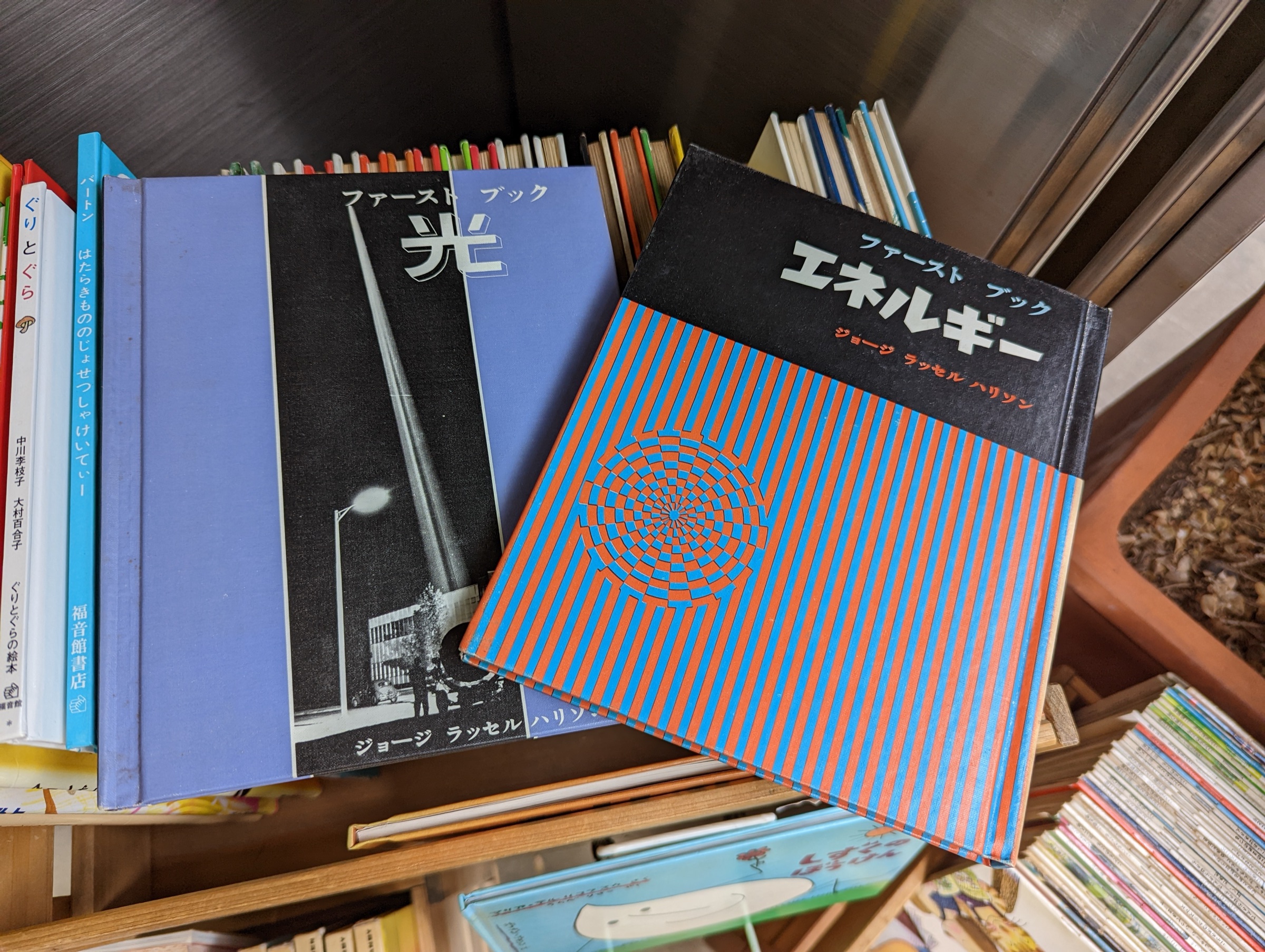
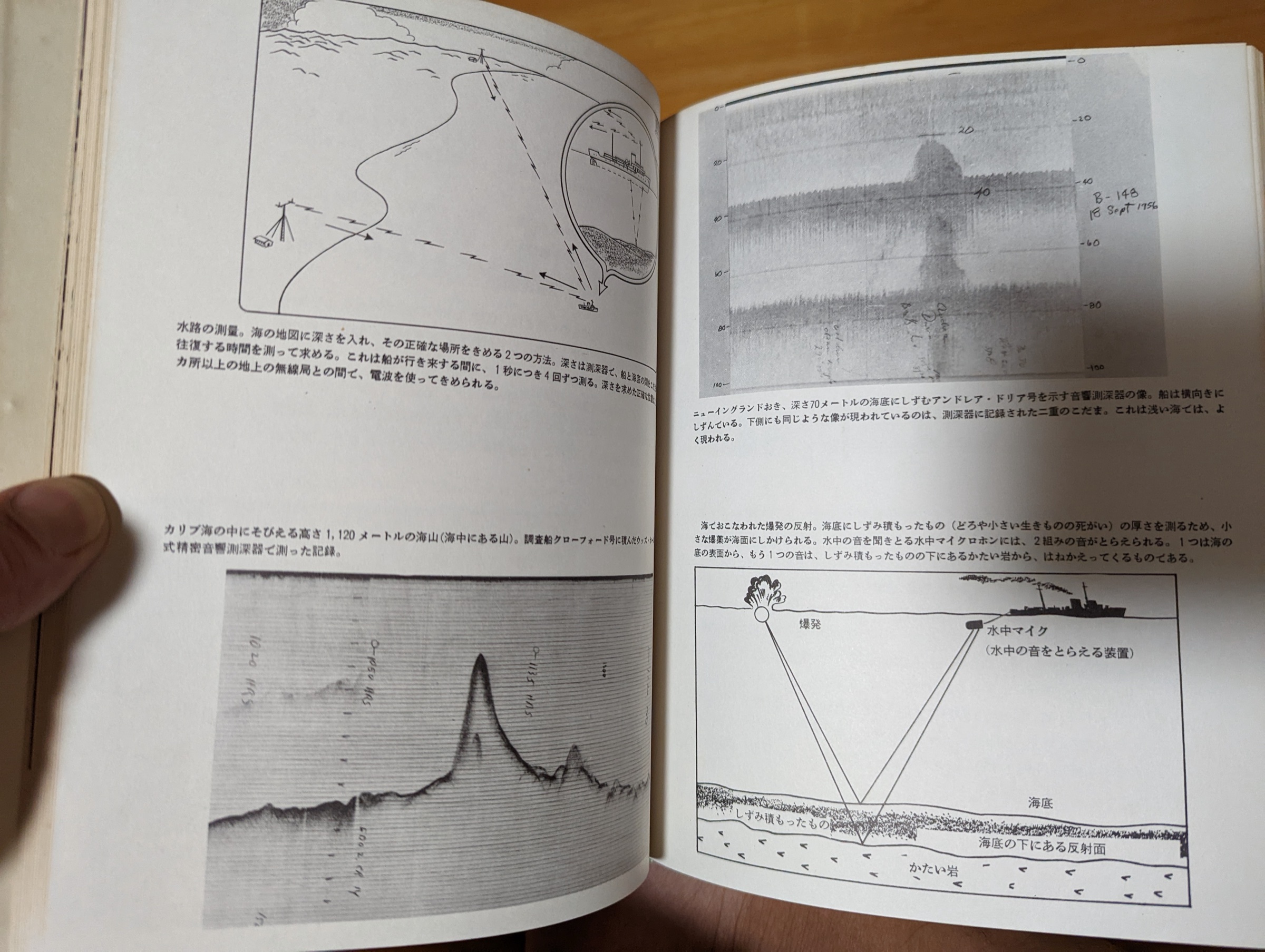
Having said this, I’ve been struggling to write a book or article that’s truly for beginners.
とはいえ、本当に初心者向けの本や記事を書くのは簡単ではありません。
Many of my past articles were written for relative beginners, often based on lectures, workshops, or explanatory documents I’ve shared with colleagues and friends. I’ve been trying to keep them more engaging rather than letting them feel like dry textbooks. But at the same time, they are not really for beginners. Many of them assume a certain level of prior knowledge, since it is a massive effort to build up all the knowledge from scratch. There are already great resources out there. For example, I don’t think I should write yet another book on vector math, and I’m not the best person to do that.
これまでの記事の多くは、講義やワークショップ、同僚や友人への説明用のドキュメントをもとに、比較的初心者向けに書いてきました。教科書のような無味乾燥さを避け、興味を引くような内容を心がけてきましたが、実は本当の初心者向けとは言えません。知識を一から積み上げていくのは膨大な作業なので、多くの記事がある程度の予備知識を前提としています。また、ベクトル数学のような分野については、既に素晴らしい学習リソースが存在しているので、新たに自分で書く必要性はないですし、私が最適な執筆者とも思えません。
So after contemplating this, I’ve decided to let go of the idea of perfect thoroughness or consistency, at least for now. Chasing that feels like an overwhelming amount of work without yielding much more of what the world might be missing.
考えた末、少なくとも現時点では完璧な徹底性や一貫性への追求は手放すことにしました。それを目指したところで、世の中が本当に必要としているものは生まれず、ただ膨大な作業量に押しつぶされてしまうように思えるからです。
Instead, what I find could be more fun and uniquely valuable is externalizing the maps in my mind. The overviews, the relationships between key concepts, and the motivations behind them.
その代わり、私の頭の中にある地図を外在化する方が、より楽しく、独自の価値があるように思います。見晴らしの良い全体像や、重要な要素間のつながり、そしてそれらの背後にある動機づけを示すということです。
As always, these are also an exercise for myself. They are like notes to organize and structure ideas, which might one day evolve into a more structured book. At the same time, I’m trying to create something that helps readers orient themselves better. To provide a sense of where things fit, what’s important, and what gaps they might need to fill in from somewhere else.
いつものように、これは自身の学びの過程でもあります。アイデアを整理し構造化するためのメモのようなもので、そのうち体系的な本へと発展するかもしれません。同時に、読者が自分の立ち位置を把握する役に立つことも目指しています。個々の要素の位置づけや重要性、そして他のリソースから補完すべき知識は何かなどといった概観を示せればと思います。